Key Insights
- An effective itch salve provides immediate relief for itchy skin.
- The best skincare combines proven plant extracts with modern dermatological insights.
- Natural ingredients are particularly well-tolerated and environmentally friendly.
- Traditional knowledge, like that of my grandmother, shows that natural remedies can be effective.
Table of Contents
- Immediate Relief from Itching – What Does an Itch Salve Really Do?
- Getting to the Root of Itching – Why Does Our Skin Itch Anyway?
- Recipe Secrets – These Active Ingredients Make the Difference
- How to Use Itch Salve Correctly – Step-by-Step for Maximum Effect
- Natural Itch Salves Compared to Medicinal Alternatives
- Everyday Tips & Skin Protection – What Else You Can Do
Itch Salve – Natural Relief for Itchy Skin, Sensitive to People and the Environment
When skin burns and itches, you need immediate relief without compromising on tolerance or environmental protection. An effective itch salve combines proven plant extracts with modern dermatological insights – just like my grandmother, a pharmacist who lived to be 102 and taught me early on that the best skin solutions come from nature.
At H4H Naturals, we develop every formula according to this principle: scientifically sound, COSMOS-certified, and free from synthetic additives that could further irritate sensitive skin. Our itch salves contain hemp seed oil, probiotic ferments, and CO₂ extracts, which have been proven to strengthen the skin barrier and inhibit inflammation. For particularly sensitive or irritated skin, we recommend the Organic Calendula Salve with Manuka Honey & Propolis, which was specially developed for eczema, itching, and dry skin.
Those looking for intensive natural care for psoriasis, neurodermatitis, or inflamed skin will find a dermatologically tested, vegan solution of pharmacy quality with the Hemp Skin Salve with Organic Propolis, Lavender & Olive Oil.
Immediate Relief from Itching – What Does an Itch Salve Really Do?
Many sufferers are looking for a quick and lasting solution for their complaints. In addition to classic plant-based salves, modern formulations such as the Manuka Honey Hemp Salve for Neurodermatitis, Eczema & Psoriasis offer dermatologically recommended intensive care for dry, chapped skin.
Getting to the Root of Itching – Why Does Our Skin Itch Anyway?

Pruritus, the medical term for itching, arises from disruptions to the skin barrier or overreactions of the immune system. Common triggers include dryness (xerosis), allergic reactions, neurodermatitis, or psychological stress, which affects cortisol production and increases inflammation.
The dreaded "itch-scratch cycle" exacerbates the problem: scratching further damages the already weakened skin barrier, bacteria penetrate, and new inflammation flares up. Studies show that over 20% of the population regularly suffers from chronic itching – a rising trend due to environmental pollution and stress. Further information on causes and treatment options can be found in our article on Eczema Cream.
Environmental factors such as dry heated air, aggressive cleaning agents, or synthetic textiles worsen existing skin problems. Hormonal fluctuations, such as during pregnancy or menopause, can also trigger sudden itching episodes.
When is a cream enough, when should you see a doctor? Topical treatment is sufficient for localized, occasional itching. Medical clarification is necessary for: itching without visible skin changes, waking up at night due to scratching, or if home remedies don't help after 2 weeks.
Recipe Secrets – These Active Ingredients Make The Difference
| Active Ingredient | Effect |
|---|---|
| Hemp Seed Oil | Strengthens the skin barrier, has anti-inflammatory effects and moisturizes |
| Marigold (Calendula) | Promotes wound healing, soothes irritated skin |
| Manuka Honey | Antibacterial, supports regeneration |
| Propolis | Natural protection against germs, soothes inflammation |
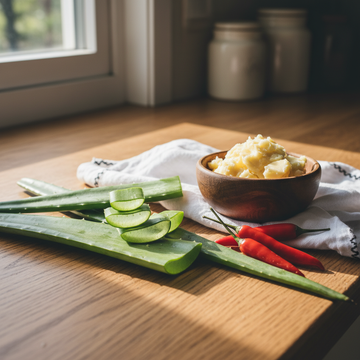
| Aloe Vera | Cools, moisturizes, reduces redness |
| Panthenol | Promotes cell renewal, soothes the skin |
How To Apply Anti-Itch Cream Correctly – Step-by-Step For Maximum Effect
Step-by-Step Application
- Timing: Apply within 3 minutes after cleansing
- Dosage: Pea-sized amount for 10x10 cm skin area
- Technique: Gently pat in, do not massage
- Frequency: 2-3 times daily or as needed
The optimal time for application is immediately after skin cleansing, when pores are still slightly open and active ingredients can penetrate deeper. A hazelnut-sized amount is sufficient for both backs of the hands – more product does not automatically mean better results.
For acute itching, gently dab the cream on without rubbing. Massaging movements can further stimulate already irritated skin and intensify the itching. Additionally, cool, damp compresses and loose cotton clothing can help.
For children under 3 years of age, use a maximum of half the adult dose. Pregnant women should avoid essential oils – our fragrance-free variants with pure hemp extract are ideally suited here. If you are looking for particularly gentle care for sensitive skin, you can also use the Organic Skin Oil with Jojoba, Almond & Olive Oil.
Common application errors: Applying too thickly clogs pores, too frequent application can promote contact sensitisation. Never use anti-itch cream on open wounds or if you have known allergies to ingredients.
Natural Itch Creams Compared To Medicinal Alternatives

| Type | Examples | Advantages | Disadvantages |
|---|---|---|---|
| Natural Creams | Hemp seed oil, marigold, propolis, aloe vera | Very good tolerability, environmentally friendly, no cortisone side effects | Onset of action sometimes slower, rare allergies possible |
| Medicinal Creams | Cortisone, antihistamines, calcineurin inhibitors | Rapid relief for severe inflammation, targeted effect | Long-term use can cause side effects, not always suitable for sensitive skin |
Everyday Tips & Skin Protection – What Else You Can Do
3 Tricks Against Itching Without Cream
- Cool shower (max. 37°C) for 2-3 minutes
- Place damp cotton cloths on itchy areas
- Distraction by cold stimulus: wrap ice cubes in a cloth
The right basic care often prevents itching more effectively than subsequent treatment. Use pH-neutral cleansing products (pH 5.5) and gently pat the skin dry after washing, instead of rubbing.
Clothing made of natural fibres such as organic cotton or bamboo significantly reduces skin irritation. Avoid wool directly on the skin and wash new textiles before wearing them for the first time to remove chemical residues.
Nutrition significantly influences skin health: Omega-3-rich foods (linseed oil, walnuts) strengthen the skin barrier from within. Probiotic yoghurts support the gut microbiome, which directly affects skin inflammation. Drink at least 2 litres of water daily. Further tips for neurodermatitis care can be found in our article on Neurodermatitis Cream.
Stress triggers itching through histamine release. Five minutes of conscious breathing exercises can break acute itch attacks: breathe in for 4 seconds, hold for 7 seconds, breathe out for 8 seconds. This technique activates the parasympathetic nervous system and calms overstimulated skin nerves.
For particularly stressed or inflamed skin areas, the Organic Body Butter with Hemp Oil, Shea Butter, Argan Oil, Jojoba Oil & Olive Oil offers a rich healing cream for neurodermatitis, eczema, and scars.
Also, an Organic Propolis Cream with Manuka honey and hemp extract can soothe dry, itchy, and irritated skin and is packaged plastic-free.
Scientific studies confirm the effectiveness of Vitamin D creams in alleviating itching and supporting wound healing. Further information can be found in this clinical study on the effect of Vitamin D cream on wound healing and itching.
If you are interested in further natural alternatives, also read our article on Propolis Cream.
For a comprehensive overview of new research approaches in neurodermatitis, we recommend the information from the Allergy Information Service.
Frequently Asked Questions
Which natural ingredients are contained in an effective anti-itch cream and how do they work?
Effective anti-itch creams contain natural ingredients such as chamomile, aloe vera and marigold, which have anti-inflammatory effects and strengthen the skin barrier. Hemp seed oil, probiotic ferments and CO₂ extracts additionally support skin regeneration and gently and sustainably relieve irritation.
When is the use of an anti-itch cream sufficient and when should you consult a doctor?
The use of an anti-itch cream is sufficient for mild to moderate skin irritation or dryness that can be soothed by plant-based care. However, for persistent, severe itching, open wounds or suspected infections, a doctor should be consulted for clarification and targeted treatment.
How can itching caused by environmental factors and stress be effectively prevented or alleviated?
To prevent itching caused by environmental factors and stress, consistent skin care with moisturizing, natural products and avoiding irritating substances helps. Stress reduction through relaxation techniques and a balanced lifestyle also support skin health and the immune system.
What advantages do natural anti-itch creams offer compared to medicinal alternatives?
Natural anti-itch creams are particularly well tolerated because they do not contain synthetic additives and gently strengthen the skin barrier. They offer sustainable, environmentally friendly care that is also suitable for sensitive skin, while medicinal products often only provide short-term symptom relief and can cause side effects.

