
Hemp4Help › Health & Wellness › propolis salve for cracked hands
At a Glance
Propolis salve for cracked hands: what the evidence says, how to apply it, the allergy risk to know about, and when to see a doctor instead.
📋 What You'll Learn
- Why do hands crack in winter?
- What is propolis and what is in the salve?
- What does the research say about propolis on skin?
- How do you apply propolis salve properly?
- Which mistakes should you avoid?
- FAQ and bottom line
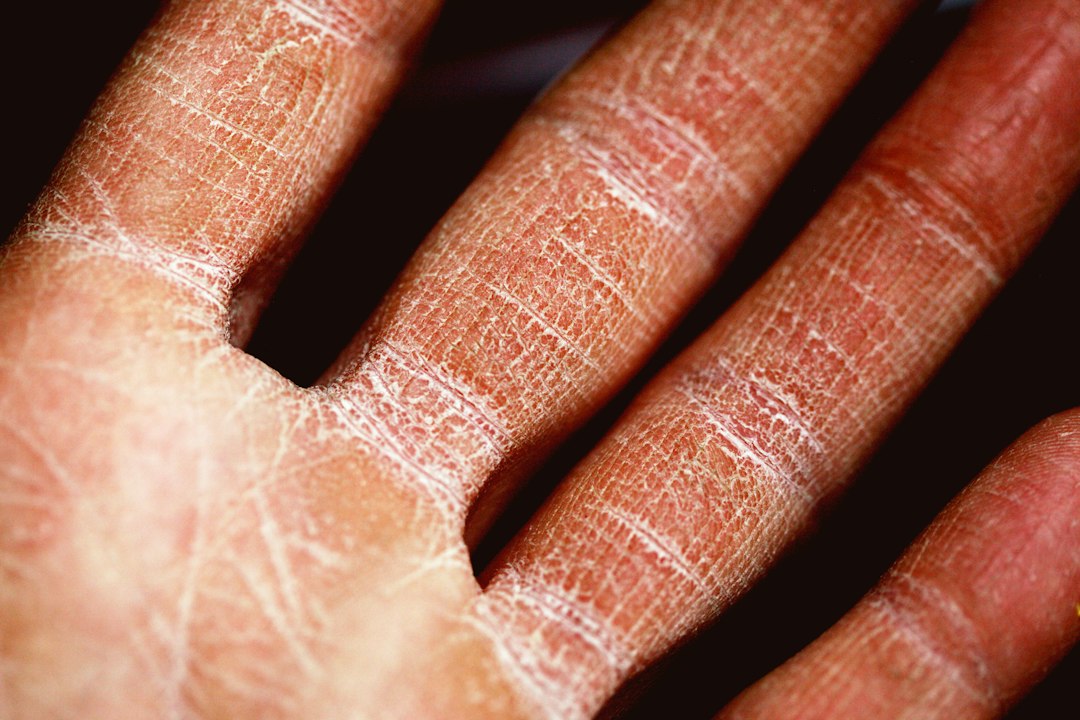
Two degrees outside, dry heating inside, and ten hand washes a day: no wonder your skin starts to tighten in November. propolis salve for cracked hands is a search that climbs in exactly these weeks, and the idea behind it makes sense. Propolis, the resin bees use to seal their hives, has been worked into salves for centuries.
But what can a salve really do for cracked skin? And what is behind the warning that propolis can cause allergies? One surprising finding up front: the share of patients who reacted to propolis in patch tests across Germany, Austria and Switzerland rose from 2.35% to 3.94% between 2007 and 2018.
This article walks through why hands crack in winter, what research on propolis actually offers, how to use the Organic Propolis Salve sensibly, and who should skip it. No miracle promises, just practical steps.
Research Spotlight
Propolis allergy: 2.35% to 3.94%
Share of positive patch tests among about 125,000 patients in Germany, Austria and Switzerland, 2007 to 2010 vs 2015 to 2018 (British Journal of Dermatology, Uter et al., FAU Erlangen-Nuremberg)
Why do your hands crack in winter, and what actually helps?
Hands crack in winter because cold, dry heated air and frequent washing strip fat and moisture from the skin. The skin on your hands has few oil glands, so it refills its own fat layer more slowly than, say, your face.
Germany's Apotheken Umschau makes two points many people miss. First, oil glands work best at around 20 °C (68 °F), and in the cold the skin's protective film weakens. Second, water removes skin oils, hot water most of all, and regular soap also damages the skin's acid mantle.
So what helps? The Techniker Krankenkasse advises creaming your hands after every wash and using hand sanitiser only when washing is not possible. In the cold, fatty ointments work better than water-based creams, because water on exposed skin can do harm.
This is where salves come in. A salve sits on the skin as a protective film. Beeswax, plant oils and shea butter are classic building blocks for exactly that purpose.
The Organic Propolis Salve combines organic manuka honey, beeswax and hemp with propolis. It is designed as care for dry, itchy and irritated skin. It is a cosmetic product and does not treat any condition.
🌿 Hemp4Help Recommendation
Organic Propolis Salve
Natural care for propolis salve for cracked hands
What does the research say about propolis on skin?
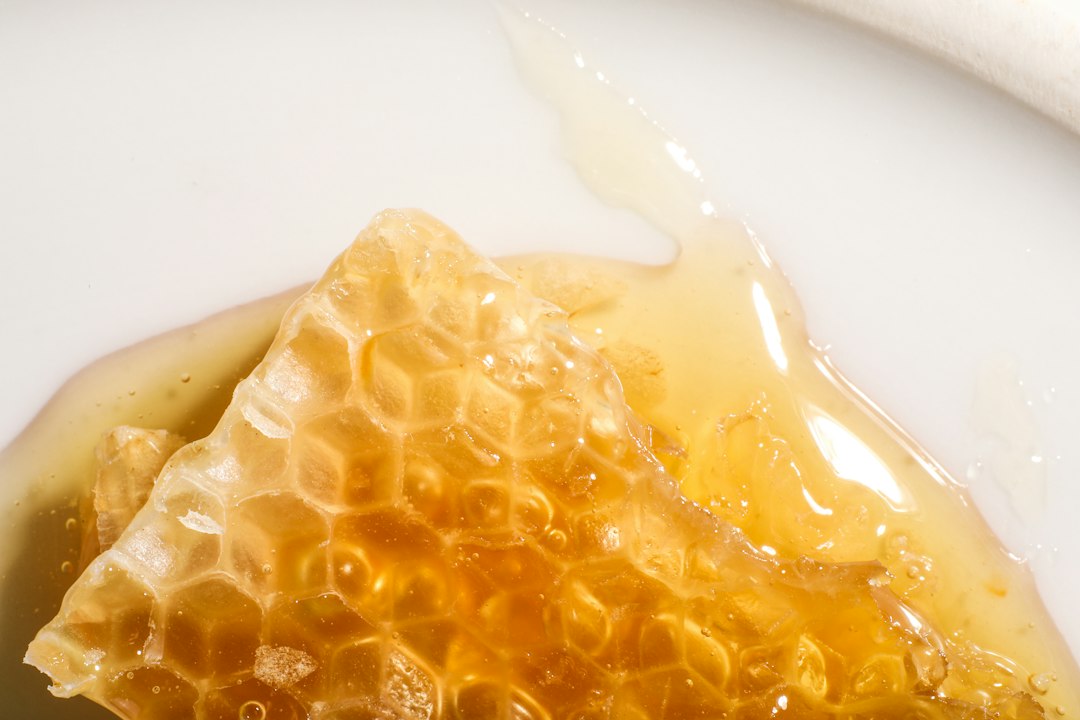
The research on propolis for skin is limited and says little about finished salves. Propolis is a mix of tree resins, beeswax and bee secretions. According to Healthline, more than 500 compounds have been identified in it, mostly polyphenols such as flavonoids. Because its makeup varies with where the bees live, results are hard to generalise.
Review articles on wound healing exist, for example “Healing Potential of Propolis in Skin Wounds Evidenced by Clinical Studies”. We cite it by title only, because we could not open the full text. We therefore use no figures from it.
Healthline sums up the evidence soberly: it is weak to preliminary, and there is no established dose. One finding often quoted is that ointments with 3% propolis were studied for cold sores. That evidence is also limited and concerns a different problem than cracked hands.
The key point: studies on an ingredient are not studies on a specific product. They show what is being researched, not that a salve works like a medicine.
The second part of the evidence is about safety. A team led by Prof. Wolfgang Uter at FAU Erlangen-Nuremberg analysed patch tests from about 125,000 patients in Germany, Austria and Switzerland. The share with a propolis allergy rose from 2.35% (2007 to 2010) to 3.94% (2015 to 2018). That is an increase of 68%.
These are people who were tested because of skin problems, so the figure does not apply to the general population. It does show that “natural” does not automatically mean “fine for everyone”. Healthline adds that people allergic to bee products or honey will likely react to propolis too.
„For cracked hands, the routine matters more than any single ingredient: wash gently, seal in fat after every wash, cover overnight.“
How do you apply propolis salve to cracked hands properly?
Apply a thin layer to clean, dry hands and repeat after every hand wash. Here is how:
- Patch test first. Put a pea-sized amount on a small spot of your inner arm and wait 24 hours. If you see redness, itching or blisters, do not use it.
- Wash with lukewarm water. Use a pH-neutral soap or a moisturising hand wash, then pat dry instead of rubbing.
- Take a small amount (about a lentil per hand) and warm it briefly between your fingers.
- Massage it in, including the backs of your hands, between the fingers and around the nails. These spots are easy to forget.
- Repeat after every hand wash and whenever the skin feels tight.
- Go heavier in the evening: apply a slightly thicker layer and put on thin cotton gloves. This keeps the care on your skin overnight.
If you also like a salve with panthenol and aloe vera, the Manuka Honey Hemp Salve is another option from the range. According to its product page it also contains propolis and beeswax. Do not start two new products at once, or you will not know which one caused a reaction.
Pro Tip
Apply your salve in the evening, then pull on thin cotton gloves. The salve stays on your skin overnight instead of ending up on the pillow. Germany's Apotheken Umschau recommends exactly this pairing of a very rich cream and cotton gloves for the night.
🌿 Also recommended
Manuka Honey Hemp Salve
Another natural option from Hemp4Help
Which mistakes should you avoid with propolis salve and hand care?
The most common mistake is only applying cream once it already hurts. Cracked skin needs care before it splits, not after. These are the mistakes that cause the most trouble:
- Washing too hot. Hot water strips even more fat from the skin. Lukewarm is enough.
- Using a water-based lotion instead of a salve in the cold. The Techniker Krankenkasse advises fatty products for hands and lips.
- Forgetting gloves. Wear rubber gloves with thin cotton gloves underneath for dishes and cleaning, and warm gloves outdoors.
- Sanitising constantly when you could wash. Sanitiser dries the skin further.
- Skipping the patch test. Propolis is a known contact allergen. The test costs you one day and can save you weeks.
- Smearing salve on open cracks and hoping. Bleeding or weeping skin belongs in a doctor's hands.
Room air matters too. If your home is constantly very warm and dry, short bursts of ventilation help more than another layer of cream.
⚠️ Important Note
Propolis can cause contact allergy. Patch test a small spot on your inner arm and wait 24 hours before first use. If you react to bee products, honey or pollen, skip it. If your hands are inflamed, bleeding, or still itchy despite consistent care, see a dermatologist. Recurring cracks can point to hand eczema, atopic dermatitis or psoriasis. Cosmetics are not a treatment.
Common questions about propolis salve for cracked hands
Real questions people search for on Google, Perplexity, and ChatGPT.
Does propolis salve help cracked hands?
Propolis salve may help care for cracked hands, mainly through its fatty base of beeswax and plant oils. Data on propolis itself is limited. A healing effect is not proven, which is why it is a care product and not a medicine.
How often should I apply propolis salve to my hands?
After every hand wash in a thin layer, and more generously in the evening. Little and often beats a thick layer once a day. For very dry skin, add thin cotton gloves over it at night.
Is propolis safe on skin?
Most people tolerate it, but propolis is a recognised contact allergen. In recent patch-test data from German-speaking countries, 3.94% of tested patients reacted to it. Patch test the salve on your inner arm first.
Can I use propolis salve for eczema on my hands?
If you have eczema or atopic dermatitis, check with your dermatologist first. Inflamed or broken skin does not always tolerate bee products or fragrance. A salve does not replace medical treatment.
Is a greasy salve or a water-based cream better for cracked hands in winter?
In the cold, fatty salves usually do better than water-based creams. The German health insurer Techniker Krankenkasse advises fatty products on exposed areas such as hands and lips, because water can harm skin in the cold. Beeswax and shea butter are natural options.
🌿 Try It Yourself
Organic Propolis Salve
Made from natural ingredients, with no compromise on care.
Bottom line: is propolis salve worth it for cracked hands?
✅ Key Takeaways
- Cracked hands come mostly from cold, dry indoor air and frequent washing. A fatty salve after every wash is the foundation.
- Propolis is traditionally used in skin care. The research is thin and says little about finished salves.
- Propolis is a known contact allergen. Patch test first, and see a doctor if skin is inflamed or bleeding.
Propolis salve for cracked hands is not a magic topic, it is a matter of routine. A fatty salve may help protect and care for your skin in winter. The base of beeswax and plant oils probably does most of the work.
Whether propolis adds anything on top is scientifically open, and it is an ingredient not everyone tolerates. If you want to try it, start with the Organic Propolis Salve: inner arm first, then hands, then in the evening with gloves.
And if your skin keeps cracking, burning or weeping despite good care, that is not a sign you need more salve. It is a sign to book an appointment with a dermatologist.
🌿 Natural. Organic. Careful.
Try Hemp4Help's Organic Propolis Salve
Made from natural ingredients, with no compromise on care.
Shop Now →✓ Free shipping over €50 · ✓ Natural ingredients · ✓ Dermatologically tested
📚 Sources & References
- Apotheken Umschau: Trockene Hände richtig pflegen. German health magazine, practical advice on hand care, washing, gloves and when to see a doctor.
- Techniker Krankenkasse: Hautpflege im Winter. German health insurer, advice on fatty products and care after hand washing.
- FAU Erlangen-Nuremberg: Increase in allergies to a natural skincare product. Patch-test analysis of propolis allergy (British Journal of Dermatology, Uter et al.).
- Healthline: Propolis, an ancient healer. Overview of composition, evidence and safety.
- Healing Potential of Propolis in Skin Wounds Evidenced by Clinical Studies (PubMed 36145364). Review article, cited by title only, no figures used from it.
Hemp4Help Editorial Team
Our editorial team turns research on hemp and natural cosmetics into plain language. Not a substitute for medical advice.
